Aiburo Bhat: A Bride’s or Groom’s Last Unmarried Meal, Planned in the UK
If your mama has started saying “come and eat before the wedding”, an aiburo bhat may be on its way. It’s a Hindu custom: a meal given to a bride or groom before they marry, cooked by the people who love them most. This guide explains what it means and how to plan one in the UK, from who hosts to what goes on the plate.
If your mama has started saying “come and eat before the wedding”, an aiburo bhat may be on its way. It’s a Hindu custom: a meal given to a bride or groom before they marry, cooked by the people who love them most. This guide explains what it means and how to plan one in the UK, from who hosts to what goes on the plate.
The short answer
Aiburo means unmarried.1 The Bangla dictionary describes aiburo bhat as the Hindu custom of the bride’s or groom’s last meal before marriage, while they’re still single, and uses the same name for the rice served at it.1 It isn’t always one meal: a 2024 study of Hindu Bengali families in Kolkata describes a run of meals given by different relatives, starting one to two weeks before the wedding.2 In the UK, planning one comes down to three questions: whose meal it is, who’s hosting, and what goes on the plate.
What aiburo bhat means
Aiburo comes from a Sanskrit word with the same meaning, unmarried.1 The Kolkata study translates the name as “bachelor’s rice”.2 In Bangladesh, aiburo bhat appears in the list of customs for the days before a wedding, alongside the gaye holud and mehedi tola.3
It’s quieter than the other pre-wedding events. The gaye holud is loud and full of turmeric; the aiburo bhat is a family sitting round a table, feeding someone they’ve watched grow up, one last time before they marry.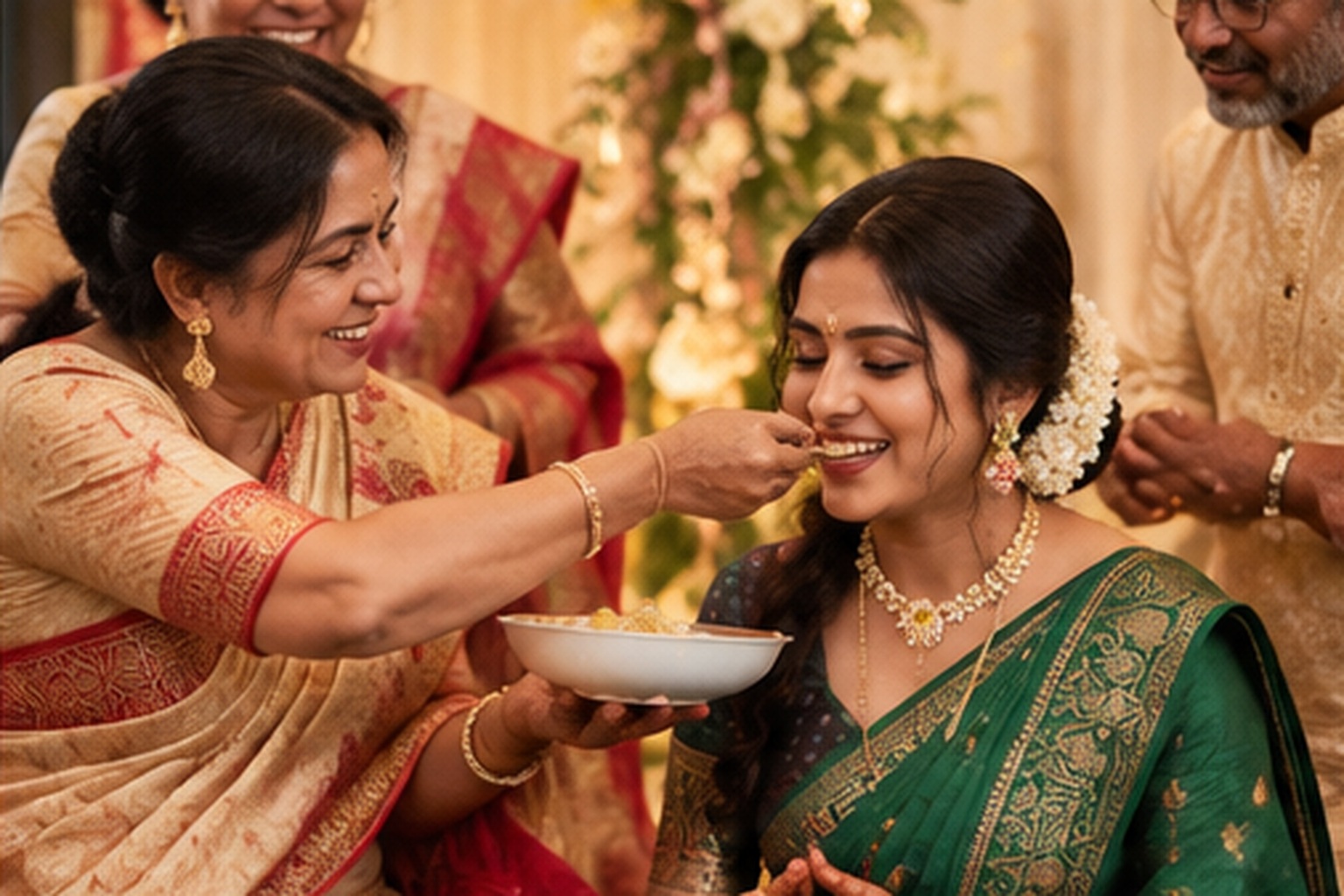
How it runs in Kolkata
Both accounts in the Kolkata study come from Hindu Bengali families, and both give the bride and the groom their own aiburo bhat.2
In the first community, the meals generally start at the maternal uncle’s home, and other relatives then invite the bride or groom in turn. They typically begin a week or two before the wedding, and sometimes only the day before.2 The maternal uncle feeds rice to the bride or groom, and relatives give the groom new clothes and the bride new saris.2
In the second community, the groom’s aunts or cousins give his meal the day before the wedding, while the bride’s aunts start hers a week ahead.2
In both, the core of the meal is the same: rice, five curries and payesh, described as rice boiled in milk.2
Both accounts come from Kolkata, so they show what’s possible rather than what every family does. Families with roots in Bangladesh, or who have been in the UK for generations, may do it differently, or not at all.
Your planning flow: first, second, next
- Ask whose meal it is. The bride’s, the groom’s, or both. If both families want to hold one, you’re planning two meals, possibly in two cities.
- Find out who expects to host. In the first Kolkata account it’s the maternal uncle first;2 in your family it might be a mashi, a pishi or a grandmother. Ask before anyone suggests a date.
- Decide one meal or a run of them. A run of dinners at different relatives’ homes is closer to the Kolkata accounts; one meal near most of the family may suit a UK calendar better.
- Pick the place. Someone’s home, a restaurant’s private room, or a small hired room.
- Plan the menu. Rice, five curries and payesh at the core,2 then the bride’s or groom’s favourites.
- Agree any gestures. Who feeds the first mouthful, whether clothes or saris are given, and who’s taking photos.
- Put it in the calendar. Next to the holud, fittings and arrivals, in the planning timeline.
A rough timeline
These are rough dates to talk through with whoever’s hosting.
- Two to three months out: ask the family who expects to host, and whether it’s one meal or several.
- Six weeks out: fix the dates and places; book any restaurant room or caterer.
- Two to three weeks out: agree the menu with whoever’s cooking; check dietary needs.
- One to two weeks before the wedding: the meals, following the timing in the first Kolkata account,2 or whatever fits your family.
- The day before: if there’s a final meal, keep it simple. The holud or the wedding is right behind it.
How to pull it off
At home
In the first Kolkata account, the meals start at the maternal uncle’s home,2 and a meal at home is the easiest version to plan in the UK too. The host cooks, the family comes, and the bride or groom sits in the place of honour. If you’re the one being fed, your only job is to turn up hungry.
The questions for the host: How many are coming? Who’s helping in the kitchen? Is there space to sit everyone down together, or will it be plates on laps? Who’s bringing the payesh?
At a restaurant or small venue
If no one has room, or the family is spread across the country, a private room in a restaurant or a small hired room works. Ask whether they can cook the dishes your family wants, whether you can bring a dish from home such as the payesh, and how long you can have the room. Some venues offer Bengali catering through their own caterers: De Montfort University’s Leicester venue, for example, says its catering partner can cater for Bengali markets.4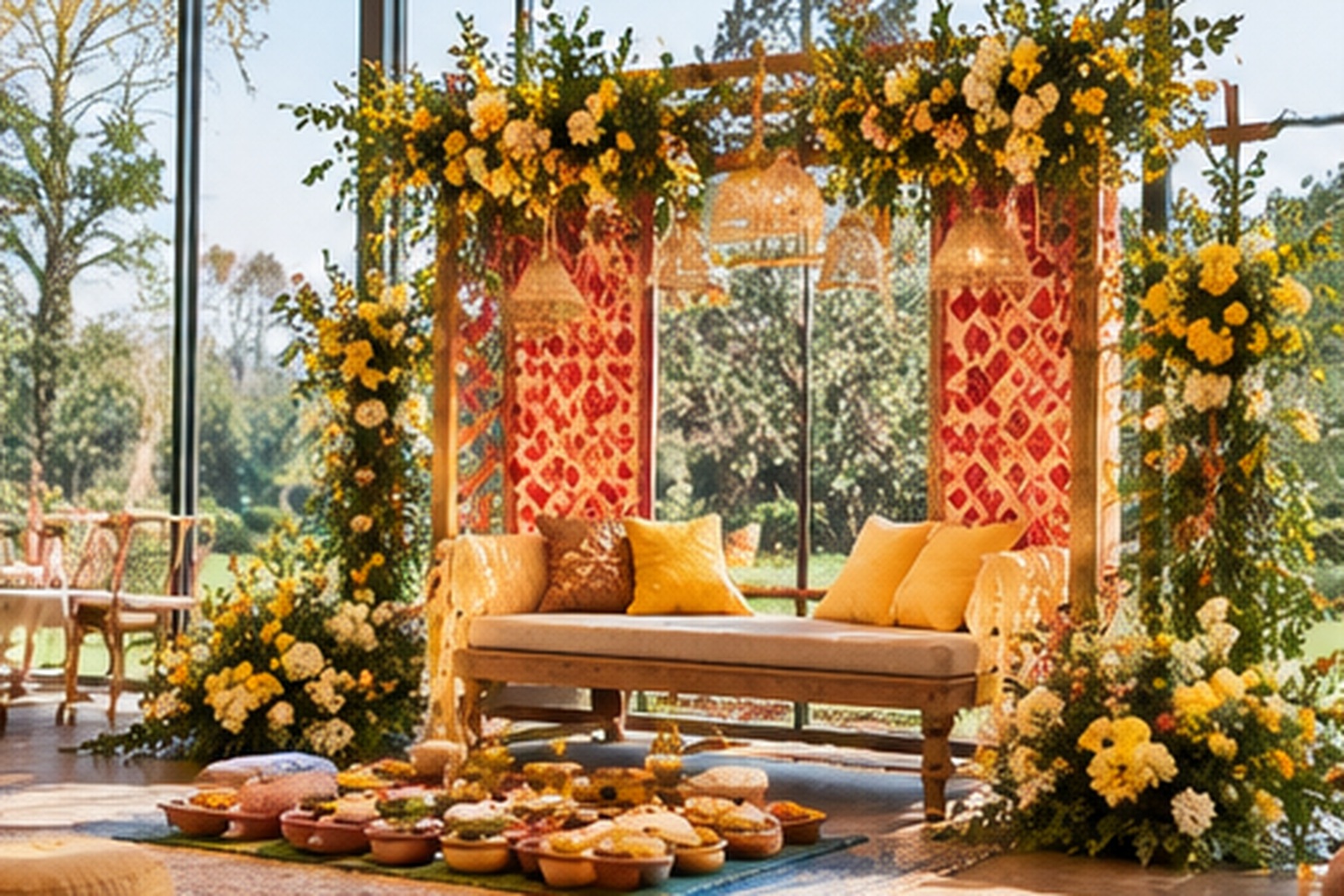
The meal itself
Start from the core of rice, five curries and payesh,2 then make it personal. Ask whoever’s cooking what they’d make for this particular bride or groom: a favourite fish, the dal the family always makes, a sweet they asked for as a child. If you like, the table can carry the occasion too: brass plates or banana leaves, a few flowers, a small alpona near where the bride or groom sits.
Settle dietary needs early: who’s vegetarian, who avoids certain foods and whether anyone has an allergy. If a restaurant or caterer is serving a buffet in England, Wales or Northern Ireland, it must give allergen information for each dish.5 At a family meal at home, ask the cooks what’s in each dish so guests with allergies can check.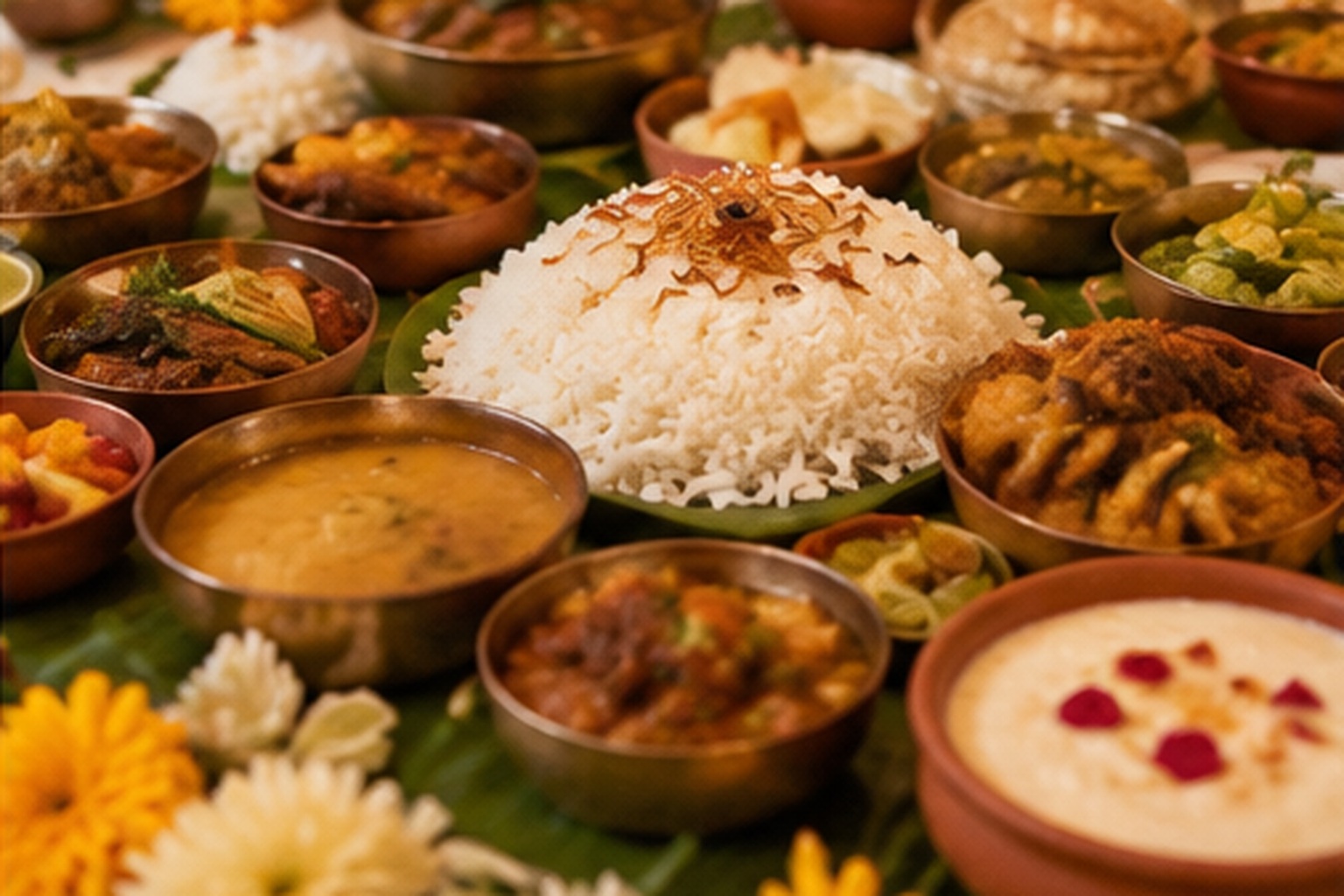
The gestures
In the first Kolkata account, the maternal uncle feeds rice to the bride or groom, and relatives give clothes and saris.2 If your relatives want to keep a gesture like this, a few questions help. Who will do the feeding, and would anyone like a photo of it? If clothes or saris are being given, is the bride or groom expected to wear them at another event, and does that fit the outfits already planned? Asking early saves a quiet disappointment later.
Travel and timing
If your mama lives in Leicester and your mashi in Manchester, a run of separate dinners means travel on several weekends. One meal near most of the family may suit everyone better, with the other relatives sending a dish or calling in. Put the proposed dates on the same calendar as the holud, outfit fittings and the days relatives arrive from abroad.
Fitting it into holud week
The aiburo bhat can land in the busiest stretch of the wedding, when fittings, mehndi, the holud and relatives’ flights are all competing for the same evenings. A few things help. Keep the meal short and early if there’s an event the next day. Avoid the night before the holud if the house will be full of trays and turmeric prep. And if the bride or groom is being fed at several homes, space them out so nobody’s eating three dinners in a weekend.
If you’re the one being fed
This is a meal in your honour, so let it be one. Turn up on time, sit where you’re put, and eat what’s offered, even if you’re mid-way through a pre-wedding diet. If there’s a dish you’d love, it’s fine to tell the host in advance; the cook would rather know. Bring something small for the host if your family does that, and say thank you properly, because whoever cooked has probably been planning it for weeks.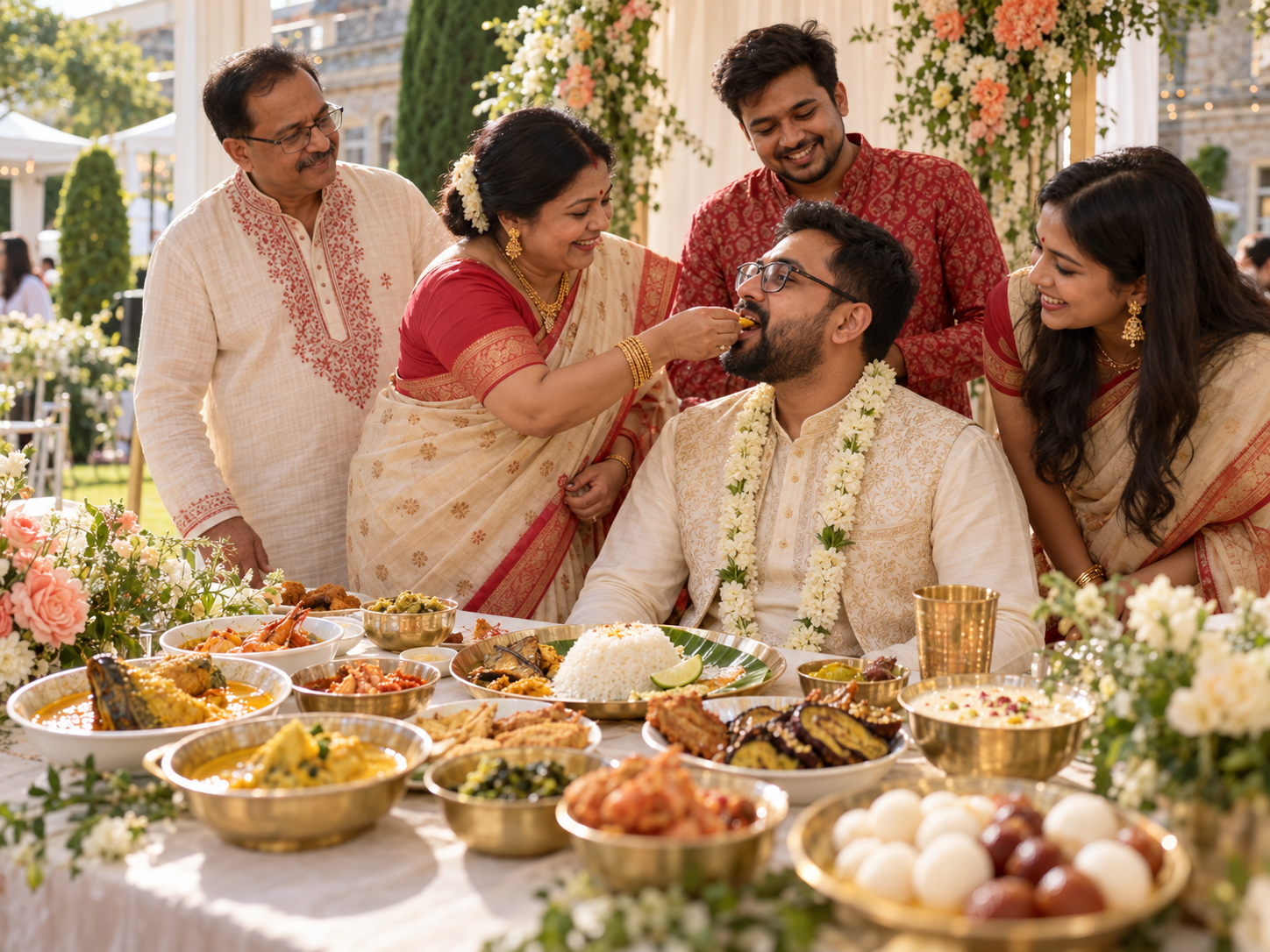
Photos and keeping it personal
An aiburo bhat doesn’t need a photographer, but it’s worth someone taking a few pictures: the table before anyone eats, the first mouthful, the elders who came. If your family wants a record of the meal, ask someone to take those few pictures. If a relative is cooking a dish from a family recipe, ask them to write it down. It’s a nice thing to keep, and a quiet way of carrying the meal into your married life.
Family decisions, extra guests and money
If two hosts want the same weekend, sort it out early by phone, before it turns into a debate in the family group chat. If the family is mixed, or someone from another tradition suggests an aiburo bhat, ask what they have in mind; the dictionary describes it as a Hindu custom.1 If the meal is at a restaurant, agree who’s paying before the bill arrives, and give it its own line in the budget calculator so it doesn’t vanish inside “food”. If guests overlap with the other events, Wedvisa’s guest list manager keeps one record of who’s invited to what.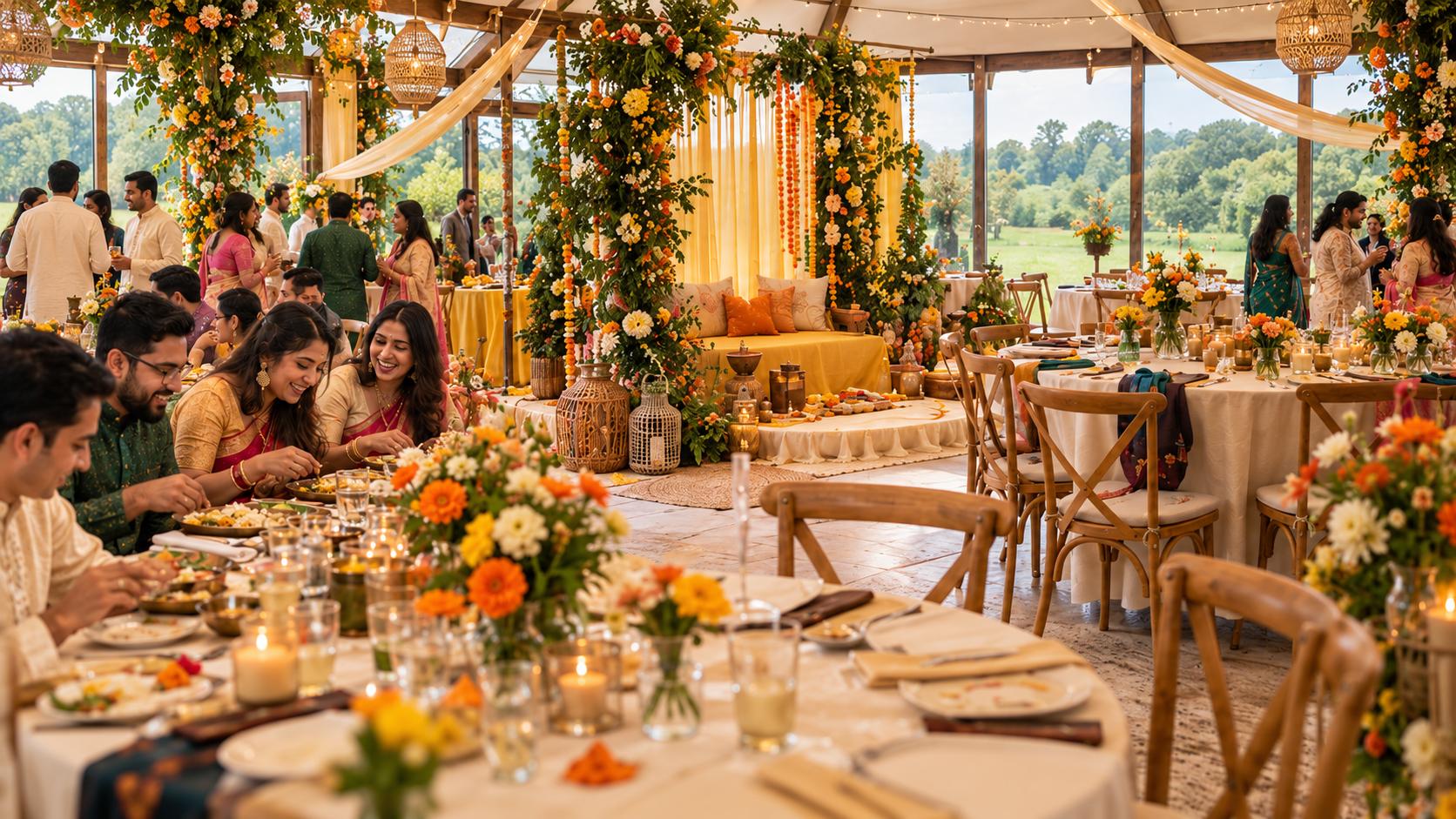
Quick answers
Is it only for the bride? No. The dictionary describes it as the bride’s or groom’s meal,1 and in both Kolkata accounts each has their own.2
Is it only a Hindu custom? The dictionary describes it as one.1 If someone from another tradition suggests it, ask what they have in mind.
How is it different from the gaye holud? They’re listed separately among pre-wedding customs.3 Aiburo bhat is a meal; the gaye holud centres on turmeric paste, which one east London venue describes being applied to the groom first and then sent to the bride’s home.6 Our Gaye Holud guide covers it in full.
Safety, in brief
- Allergen information for each dish if a restaurant or caterer serves a buffet.5
- At home, ask the cooks what’s in each dish.
Aiburo bhat checklist
- Whose meal: bride, groom or both
- Host or hosts agreed
- One meal or a run of them
- Dates on the family calendar alongside the holud and fittings
- Place booked (home, restaurant room or small venue)
- Menu agreed: rice, five curries, payesh and favourites
- Dietary needs and allergies checked
- Gestures agreed (feeding, clothes or saris, photos)
- Who’s paying, if it’s a restaurant
- Guest list kept with the other events
Tick these off in Wedvisa’s wedding checklist.
Your aiburo bhat at a glance
| What | A Hindu custom: the bride’s or groom’s last meal before marriage |
|---|---|
| Who | Bride and groom can each have their own |
| Hosted by | Relatives, such as a maternal uncle or aunts, in the Kolkata accounts |
| When | In those accounts, from one to two weeks before, sometimes the day before |
| The meal | Rice, five curries and payesh, plus family favourites |
| Where | A relative’s home in the Kolkata accounts; a restaurant room works too |
| Wedvisa tools | Planning timeline, guest list, budget calculator, checklist |