Seasonal Wedding Theme Ideas
Learn what each UK season offers stylistically, plus the weather, timing, and legal realities worth knowing before you lock in a date.
Season shapes a UK wedding more than almost any other single decision — more than venue, arguably more than budget. It dictates the light you'll be photographed in, which flowers are realistically available, whether your ceremony can happen outdoors at all, and how much a Saturday in your chosen month is actually going to cost. Picking a theme without picking a season first tends to end in compromise; picking the season and building the theme around it tends to end in a day that actually looks like the pictures you had in mind.
This guide runs through what each UK season offers stylistically, plus the weather, timing, and legal realities worth knowing before you lock in a date.
Spring (March–May): Renewal and Soft Colour
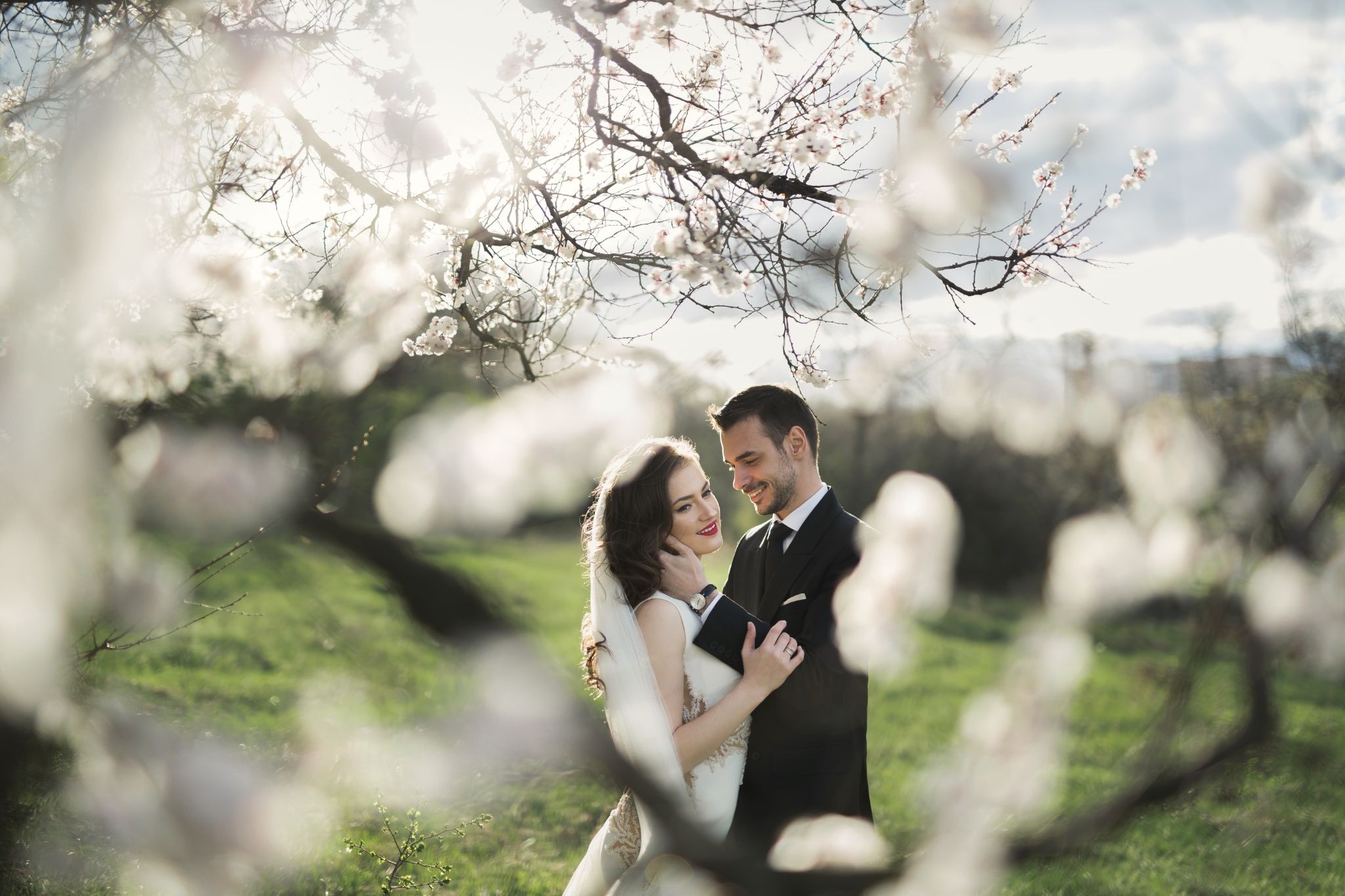
Spring weddings lean on themes of new beginnings — light pastel palettes, fresh meadow flora, and a relaxed, garden-party feel that doesn't need much dressing to look right. Early blooms like tulips, narcissus, and delicate greenery arranged in loose, open displays suit the season naturally, and botanical gardens, glasshouses, and estate orangeries make ideal venues, since they offer generous natural light while still sheltering guests from the odd early-spring shower.
Practically, spring rewards couples who want value without dropping into the depths of winter pricing. May in particular has become a genuinely popular month rather than a compromise one — it accounts for over 12% of UK wedding bookings while still sitting outside true peak season, which means slightly softer venue pricing than June onward for weather that's often nearly as good.
Summer (June–August): Long Days, Peak Demand
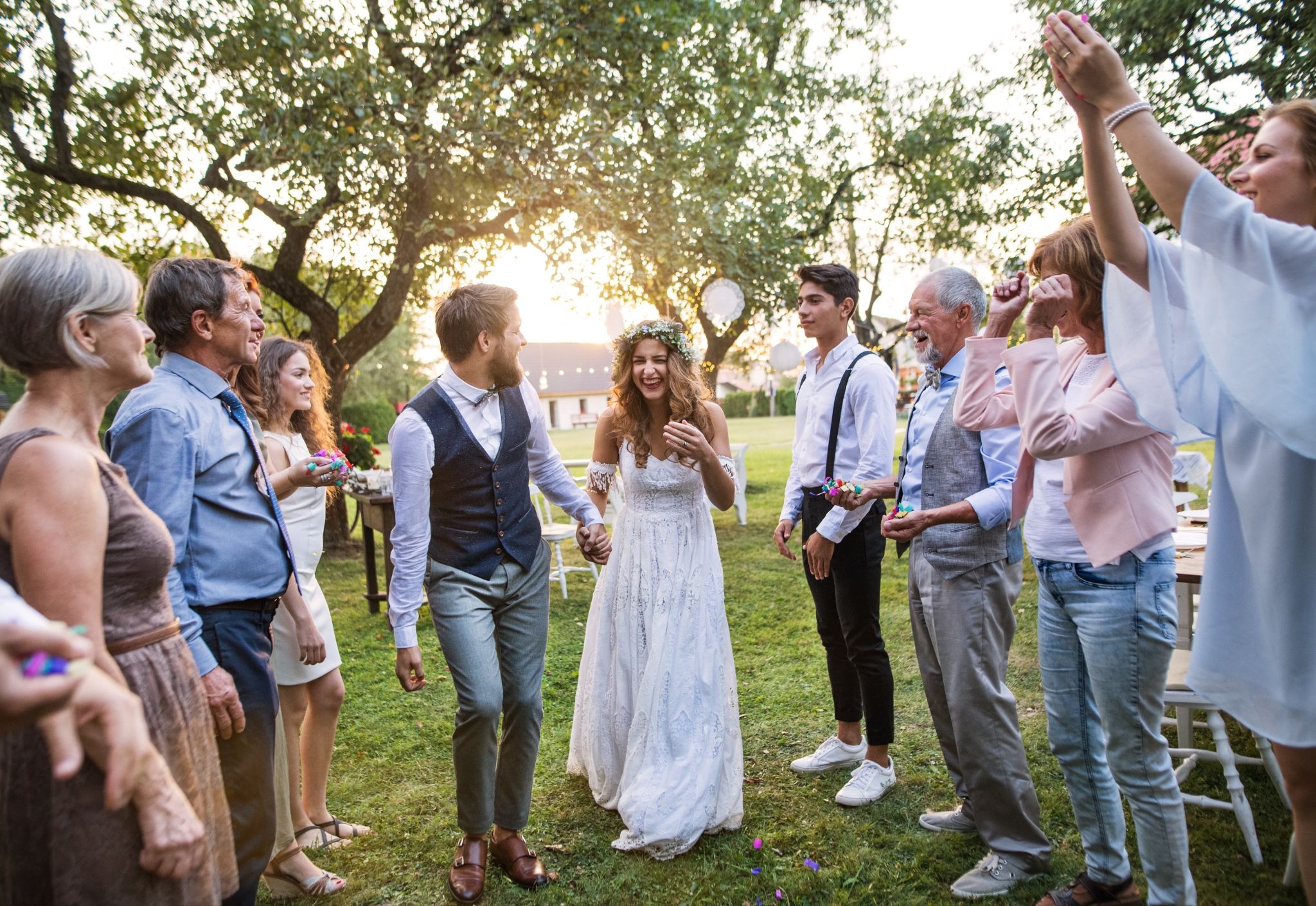
Summer is peak wedding season in the UK by a wide margin — roughly 40% of UK couples now marry in summer, and August alone accounts for close to a fifth of all weddings nationally. The appeal is obvious: long daylight hours support proper outdoor ceremonies, lawn receptions, and twilight celebrations that simply aren't possible earlier or later in the year, and styling naturally shifts toward soft butter yellow accents, light linen draping, and open-air marquee setups that take full advantage of the extended light.
The trade-off is cost and competition. June alone takes around a quarter of all UK summer weddings and typically carries a 12–18% price premium over the shoulder months either side of it, while July's popularity is driven heavily by the school holiday calendar. If budget matters more than the calendar slot, May and September both offer comparable weather with meaningfully better availability and pricing — worth genuine consideration if a specific Saturday in July or August isn't essential to you.
Autumn (September–November): Warm Tones, Golden Light
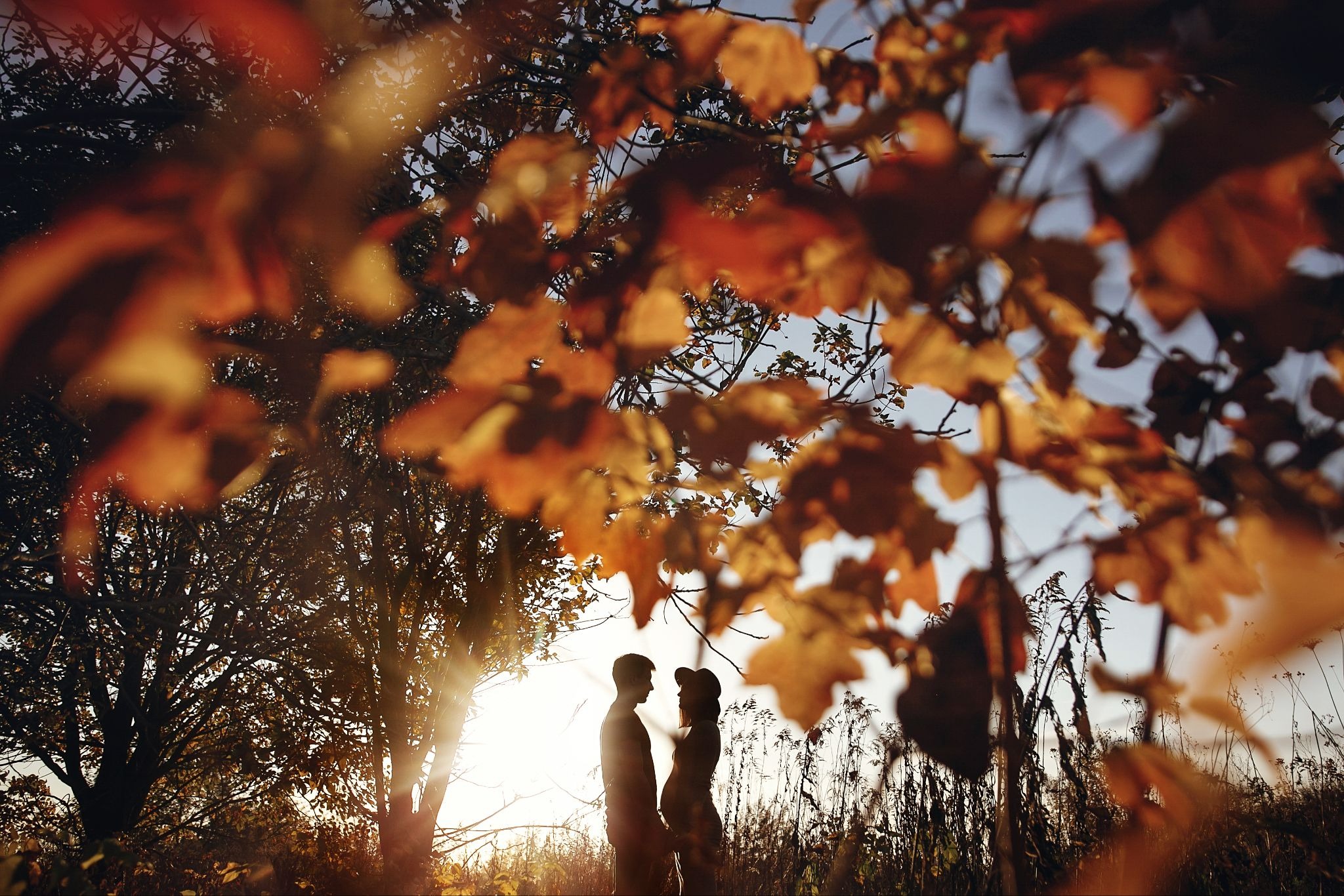
The late-summer to early-autumn transition, September especially, has become one of the most sought-after windows in the UK wedding calendar, and for good reason: mild weather, warm afternoon light, and a genuine cost advantage over peak summer combine to make it hard to beat. Palettes shift naturally toward burgundy, mustard, rust, terracotta, and deep red, and rustic barn conversions, private vineyards, and wooded country estates all fit the season's colour story while offering cosy indoor space as evening temperatures start to drop.
September's popularity has been climbing fast — it's the fastest-growing wedding month in the UK, driven largely by exactly the combination described above: golden-hour photography light without the premium pricing of high summer.
Winter (December–February): Drama Over Daylight
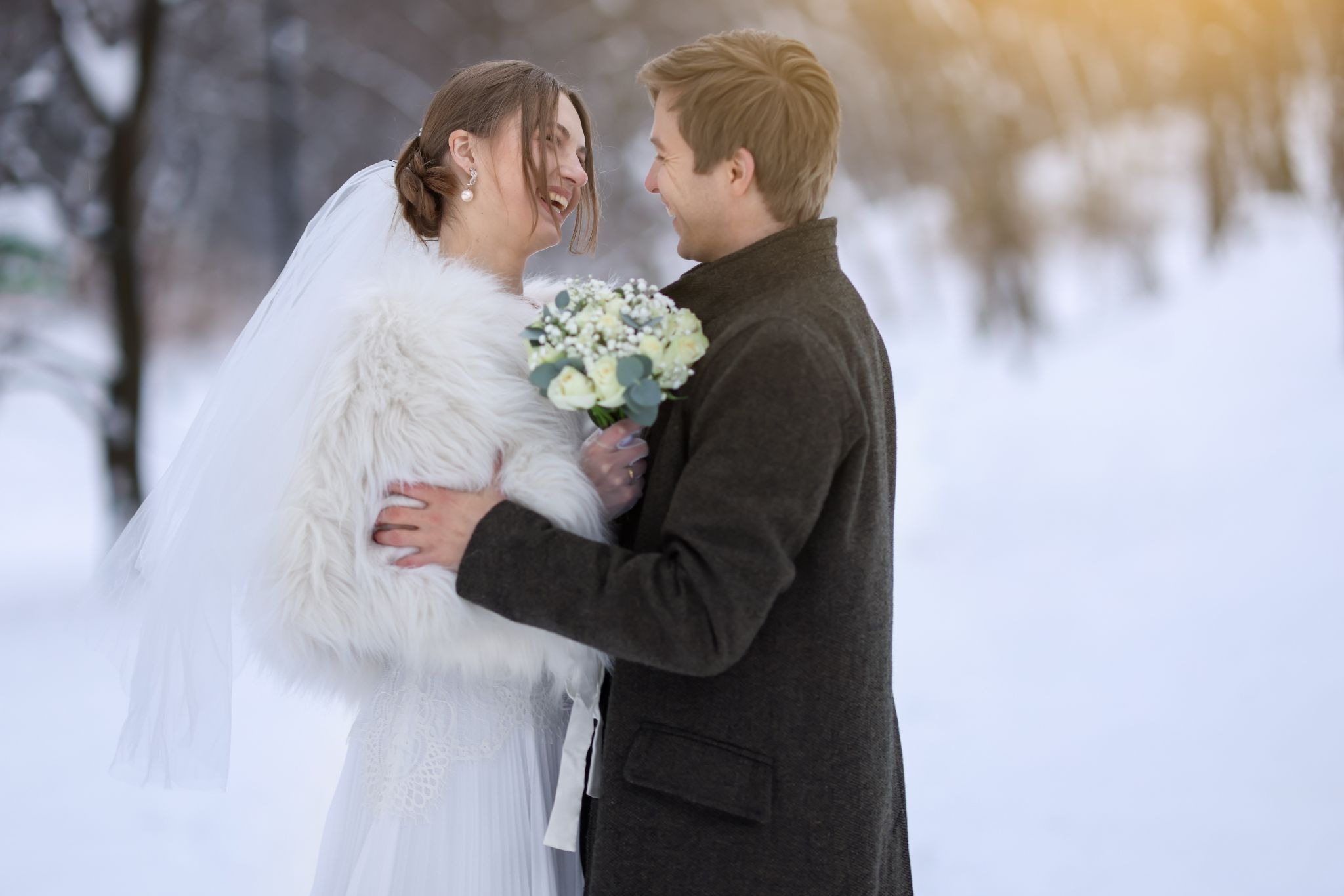
Winter weddings trade daylight hours for atmosphere. With ceremonies and receptions moving fully indoors, styling leans into rich materials and dramatic artificial lighting — celestial motifs, deep midnight navy paired with gold accents, draped fabric ceilings, and warm taper candlelight all read particularly well against stone halls, heritage manors, and luxury city hotels once the sun goes down by mid-afternoon. Jewel tones — emerald, claret, deep plum — bring genuine warmth into what could otherwise feel like a cold season for a wedding.
Winter remains the smallest wedding season by volume in the UK — only around 7% of couples marry between December and February — which is exactly why it's worth serious consideration if venue cost or date flexibility matter to you. December in particular has more going for it than its reputation suggests, sitting outside the very quietest winter weeks (the days immediately around Christmas itself are consistently the least popular in the whole calendar) while still offering some of the year's most negotiable venue pricing.
Weather Contingencies and the Law
Whatever season you're leaning toward, it's worth understanding what the law actually allows before you fall in love with an entirely outdoor plan. Since April 2022, venues in England and Wales have been able to host legally binding civil ceremonies anywhere within their approved outdoor grounds, not just inside a licensed building — a genuine shift from the previous requirement that ceremonies take place indoors. That said, the venue still has to hold the approval, and the outdoor setting still needs to be judged "seemly and dignified" by the local registrar, so it's worth confirming a specific venue's status rather than assuming any pretty garden qualifies.
Regardless of season, a proper wet-weather plan matters more in the UK than almost anywhere else. Even July — statistically one of the driest months — carries close to a 40% national chance of at least some rain on the day, rising well above that in Scotland and Northern Ireland, so a genuinely usable indoor fallback isn't optional for an outdoor-leaning spring or summer wedding; it's part of the plan from day one.
Choosing a Season on Purpose
A useful way to decide is to work backwards from what actually matters most to you. If daylight and a garden ceremony are non-negotiable, summer (or a well-chosen May or September date) is the only realistic option. If a specific colour palette matters more than anything else, let that lead — autumn's rust and burgundy tones, for instance, are genuinely hard to recreate convincingly in spring. And if budget flexibility is the priority, the shoulder months either side of peak summer, or a considered winter date, will consistently stretch further than a July or August Saturday.
Frequently Asked Questions
Is summer really the most expensive season for a UK wedding?
Generally yes, and June in particular carries a real premium — typically 12–18% more than May or September for comparable venues, largely driven by demand rather than any difference in what's included.
What's the best season for outdoor photography?
Late summer through early autumn tends to offer the best combination of warm light and manageable heat, with September specifically prized for golden-hour conditions. Full summer can bring harsher midday light and, in recent years, genuinely uncomfortable heat for guests without shade.
Can I legally get married outdoors in the UK regardless of season?
Only at a venue with the right approval — since 2022, approved venues in England and Wales can host legally binding ceremonies anywhere within their linked outdoor grounds, but the venue itself still needs that specific licensing, and weather-appropriate backup planning matters in every season.
Which season offers the best value without sacrificing weather?
May and September are usually the strongest answers — both sit outside true peak pricing while offering weather close to what June and August deliver, making them the two most commonly recommended "sweet spot" months.
Is a winter wedding a compromise, or a genuine style choice?
It's increasingly a deliberate choice rather than a fallback. Winter's low demand means real savings and far greater date flexibility, and the season lends itself naturally to a specific, dramatic aesthetic — jewel tones, candlelight, heavy draping — that's harder to achieve convincingly at other times of year.
How far in advance should I book for a peak summer date?
Given how far ahead popular summer Saturdays get locked in, aiming for 12–18 months out is the safer approach for a July or August date specifically, with more flexibility available if you're open to a shoulder-season month instead.